


Why One Hero Image No Longer Works: The Rise of High-Volume Visual Content
Why One Hero Image No Longer Works: The Rise of High-Volume Visual Content The era of the single, perfect hero image is over. For years, brands invested thousands of dollars and countless hours crafting that one flawless visual meant to capture attention and drive conversions. But in today's infinite scroll culture, that strategy no longer works. The modern consumer moves fast, and a single image, no matter how stunning, can't compete with the variety and volume that social media algorithms now reward. Marketing teams are discovering a hard truth: one masterpiece gets lost in the feed, while multiple good images create momentum. The shift from quality-obsessed perfectionism to strategic volume production is reshaping how brands approach visual content strategy. This isn't about lowering standards but about understanding how attention works in 2026. Why the Hero Image Strategy Failed in Social Media Marketing The hero image concept emerged when websites had static homepages and banner ads dominated digital advertising. Brands believed that one powerful visual could anchor an entire campaign. But social media algorithms changed everything. Platforms like Instagram, TikTok, and Pinterest prioritize fresh content and engagement velocity over singular perfection. When you publish one hero image, you get one chance to appear in someone's feed. If they scroll past it in 0.3 seconds, your investment is wasted. The algorithm doesn't care how much you spent on that image. It cares about engagement rates, and engagement requires multiple touchpoints. A single image can't test different audiences, messages, or creative angles simultaneously. Consumer attention spans have fragmented. People don't visit a single website and study your hero image anymore. They encounter your brand across dozens of micro-moments throughout the day. Each moment needs its own visual. The hero image was built for a world where people came to you. Now you need to meet them everywhere they are, and that requires volume - and a diverse library of stock photos ready to deploy. How Volume and Variation Drive Social Media Visual Content Performance Successful brands now operate on a portfolio approach to marketing visual assets. Instead of one perfect image, they produce 10 to 20 variations testing different compositions, color palettes, and focal points. This strategy allows real-time optimization based on performance data. You learn what resonates by putting multiple options into the market, not by debating internally which concept is best. Algorithms reward consistency and frequency. Brands that post regularly with varied content see better reach than those posting sporadically with highly polished assets. The platform logic is simple: more content means more opportunities to match user interests. A fashion brand might show minimalist product shots to one segment, lifestyle imagery to another, and bold graphics to a third. One hero image can't do that. Building a High-Volume Content Production Workflow Transitioning from hero images to volume production requires new workflows. Start by creating visual templates and presets that maintain brand consistency while allowing rapid variation. Tools like Lightroom presets, Canva templates, and batch editing workflows let you produce 20 images in the time it used to take to perfect one. 4 Principles for Scaling Visual Content Production Modern content production workflows follow these core principles: Modular Creation: Shoot once but edit multiple ways. A single product photoshoot can yield dozens of final assets by varying crops, backgrounds, filters, and photo overlays. This approach maximizes your production investment while giving you the volume needed to test and optimize across channels. Template Systems: Build reusable frameworks that maintain brand identity while enabling speed. Consistent visual language across variations strengthens recognition without requiring custom work for every asset. Strategic Imperfection: Not every image needs to be portfolio-worthy. Authenticity often outperforms polish on social platforms. User-generated content, behind-the-scenes shots, and quick smartphone photos can drive engagement that highly produced images miss. Data-Driven Iteration: Let performance metrics guide your visual content strategy. The goal is to maintain quality standards while accepting that good enough, published now, beats perfect, published never. The Evolving Role of Premium Marketing Visual Assets This doesn't mean premium photography is dead. High-quality visuals still matter, but their role has changed. Instead of being the hero, they become anchors in a larger content ecosystem. Use premium images for key brand moments like product launches, homepage features, and paid advertising where you control the context. For organic social media visual content and ongoing engagement, prioritize volume and variation. Think of your visual content strategy as a pyramid. At the top, you have a few exceptional hero images for major campaigns. In the middle, you have strong supporting visuals for product pages and email marketing. At the base, you have high-volume content for social feeds and testing. Each level serves a purpose, but the base is where you win attention in the infinite scroll. The death of the hero image isn't about abandoning quality. It's about recognizing that in a world of endless content, variety and presence matter more than singular perfection. Brands that adapt to this reality, building systems for consistent, varied visual output, will dominate attention in ways a single perfect image never could.
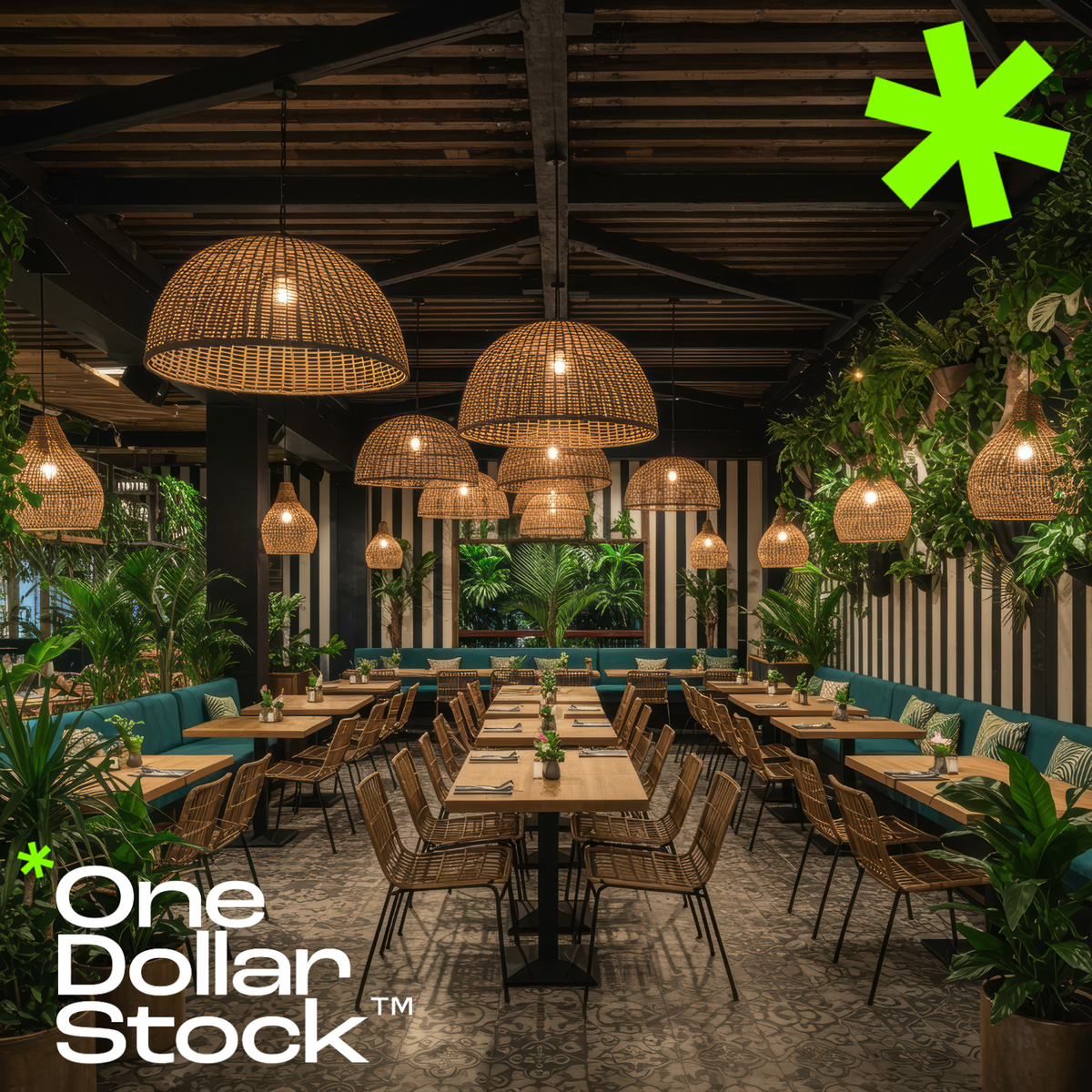
Boutique Restaurant Instagram Strategy: How to Build Pricing Power and Drive Reservations
Instagram is not a marketing channel for boutique restaurants. It is the primary mechanism through which perceived value is established, pricing power is justified, and reservation intent is triggered before a potential guest ever picks up the phone. Most independent restaurants treat Instagram as an afterthought - posting whatever the kitchen happens to be plating that day. This approach silently erodes brand equity and trains potential customers to scroll past without consideration. The boutique establishments filling tables consistently understand that Instagram functions as expectation-setting infrastructure, not content distribution. Why Most Boutique Restaurants Fail on Instagram The failure pattern is consistent: inconsistent visual quality, no coherent brand language, and content that prioritizes what the restaurant wants to say rather than what triggers reservation behavior. Instagram operates on pattern recognition. When your feed lacks visual consistency, the human brain categorizes your restaurant as unpredictable - a risk signal that suppresses booking intent. When image quality fluctuates between professional shots and poorly lit smartphone photos, you communicate operational inconsistency, which potential guests unconsciously project onto food quality and service reliability. Signature Dishes as Cognitive Anchors Every successful boutique restaurant has one to three signature items that function as mental shortcuts in the reservation decision process. These dishes become visual symbols that compress your entire value proposition into a single recognizable image. The psychological mechanism is availability bias: people overweight information that is easily recalled. When your signature dish appears repeatedly in high-quality contexts, it becomes the default mental reference when someone in your market thinks about dining out. Presentation architecture matters because dishes with vertical composition, strategic color contrast, and textural complexity photograph with higher information density, which increases memorability and shareability. Document your signature items with the same rigor you apply to recipe development. Multiple angles, varied lighting conditions, and seasonal variations give you a content library that maintains consistency while avoiding repetition. Professional gourmet steak photography can supplement your original content during gaps. Atmosphere as Value Signal Food photography attracts attention. Environmental photography establishes price tolerance and filters for ideal customers. Your interior, lighting, and spatial design communicate who your restaurant is for and what experience justifies your pricing. This is particularly critical for boutique establishments competing against chains with larger marketing budgets. Your competitive advantage is not reach - it is the ability to signal exclusivity, craft, and experience quality that justifies premium positioning. The strategic error most restaurants make is showing empty dining rooms, which triggers scarcity concerns and social proof deficits. Always include human presence to communicate vitality and desirability. Technical Execution: Where Amateur Content Destroys Perceived Value The gap between amateur and professional food photography is not aesthetic - it is economic. Poor lighting, weak composition, and inconsistent styling silently communicate lower operational standards, which directly impacts willingness to pay and reservation intent. Lighting is the primary variable that separates professional from amateur execution. Natural light remains optimal because it preserves color accuracy and creates soft shadows that suggest freshness and quality. Composition follows psychological principles: the rule of thirds places focal points where the eye naturally lands, while negative space prevents cognitive overload and allows the dish itself to dominate attention. Visual Consistency as Trust Infrastructure Brand recognition on Instagram is about whether someone can identify your content in a split-second scroll without reading a caption. Inconsistent visual presentation triggers the same psychological response as inconsistent service: uncertainty about what to expect, which increases perceived risk and suppresses booking behavior. The solution is systematic editing protocols - custom presets or professional editing workflows that maintain color balance, contrast ratios, and tonal characteristics across all content. Using food photography presets ensures every image maintains the same high-quality look and feel. Every inconsistent post dilutes brand equity. Every consistent post compounds it. Over months and years, this difference determines whether your Instagram presence is an asset that appreciates or a cost center that consumes resources. Strategic Timing and Urgency Mechanisms Strategic restaurants post when their audience is making dining decisions. Lunch decisions are made mid-morning between 10 AM and 12 PM. Dinner decisions cluster in mid-afternoon between 3 PM and 5 PM. Weekend dining decisions often happen Wednesday through Friday. Stories exploit loss aversion through their 24-hour lifespan. When viewers see limited-availability content - daily specials, last-minute openings, time-sensitive offers - the fear of missing out triggers faster decision-making. Reels operate through algorithmic distribution that reaches beyond your existing follower base. The content that performs best shows process and transformation: plating techniques, cooking methods, ingredient preparation. Seasonal Content and Temporal Scarcity Limited-time offerings exploit the psychological principle of scarcity: things that are temporarily available are perceived as more valuable than permanently available alternatives. Seasonal menus and special events create natural urgency that drives immediate reservation behavior. The execution error most restaurants make is announcing seasonal changes without visual evidence of why the new menu deserves attention. High-quality photography that shows the finished dishes in their best presentation triggers reservation intent. Plan seasonal content weeks in advance, shooting all menu items in a single professional session, then distributing that content strategically throughout the season. Conversion Architecture and Analytics Beautiful content that does not drive reservations is not marketing - it is expensive art. Use link-in-bio tools that create a mobile-optimized landing page with multiple conversion paths: direct reservation booking, menu viewing, location and hours, and contact options. Captions function as micro-sales copy. The strategic structure is: hook that captures attention, value proposition that explains why this matters, and clear call-to-action. Vague CTAs like "check us out" underperform specific, urgent directives like "Reserve your table for this weekend - limited availability." Most restaurants track the wrong Instagram metrics. Likes and comments are vanity metrics that correlate poorly with business outcomes. The metrics that matter are profile visits, website clicks, direct messages, and ultimately reservation volume and revenue per customer. A/B testing is not optional. Let your specific data guide decisions rather than industry generalizations. Instagram as Pricing Power Infrastructure The fundamental misunderstanding most boutique restaurants have about Instagram is treating it as a promotional channel rather than as the primary mechanism through which customer expectations are established and perceived value is determined. Before a potential guest ever walks through your door, they have formed detailed expectations based on your Instagram presence: what the food will look like, what the atmosphere will feel like, what level of service to expect, and whether the experience justifies your pricing. When the actual dining experience matches or exceeds these expectations, you generate satisfaction and positive word-of-mouth. When reality falls short of Instagram-established expectations, you create disappointment regardless of objective quality. This is why visual consistency and authentic representation are operational imperatives that determine customer satisfaction. The restaurants that win on Instagram show their restaurant at its best while maintaining authentic representation that the actual experience can consistently deliver. This approach builds trust, which allows you to maintain premium pricing, reduces price sensitivity, increases customer lifetime value, and generates referrals that compound over time. Instagram is not about content creation. It is about building perceptual infrastructure that determines how your market values your restaurant before they ever experience it directly. The question is whether you will do it systematically and professionally, or allow inconsistent execution to silently erode the pricing power that determines your restaurant's long-term profitability.

How to create effective graphics for social media with One Dollar Stock™
In today’s fast-scrolling feeds, eye-catching visuals are key to standing out on social media. Whether you’re posting on Instagram, Facebook, TikTok, LinkedIn, or Pinterest, great visuals drive engagement. In this article, we’ll show you how to create effective social media graphics using premium stock images from One Dollar Stock™. Why stock images are great for social media High-quality stock images help you: Maintain visual consistency across platforms Communicate messages quickly and clearly Increase post engagement rates Save time when producing content at scale Test different creative approaches affordably How to choose the right stock images for your brand Start with a clear understanding of your brand’s visual style. Then browse curated stock images and AI stock images to match: For lifestyle brands → people stock images, food and drinks, travel and landscapes For tech and innovation → abstract stock images, AI-generated visuals For entertainment and humor → funny memes Tip: Stay consistent with color palettes and image tone to build visual brand recognition across your posts. Types of social media graphics you can create 1. Quote graphics Pair inspiring or educational quotes with strong background images from One Dollar Stock™. Use bold typography and simple design for maximum impact. 2. Product highlights Showcase products or services by layering product images over relevant lifestyle stock backgrounds. Example: place skincare products over a calming abstract background. 3. Carousel posts Use a sequence of stock images to tell a story across a carousel post on Instagram or LinkedIn. Mix image types (people, objects, textures) for visual interest. 4. Event announcements Promote events with people-focused stock images that evoke energy and human connection. 5. Educational content Break down complex topics with infographic-style posts that incorporate relevant AI stock images and icons. Design tips for effective social media graphics Use a clear hierarchy - your key message should be instantly understandable Maintain strong color contrast between text and background Stick to a simple, bold font pairing Leave sufficient white space for a clean look Test designs across desktop and mobile views Build scroll-stopping social content Effective social media graphics help you capture attention, tell your brand story, and drive engagement. With premium stock images from One Dollar Stock™, you can create standout visuals quickly without exhausting your content budget.

How to select stock images for e-books, lead magnets, and online courses
Strong visuals can elevate any digital product whether it’s an e-book, a lead magnet, or an online course. The right stock images help communicate your message, enhance your brand, and create a more engaging experience for your audience. In this article, we’ll show you how to select the perfect premium stock images from One Dollar Stock™ to enhance your digital products. Why visuals matter in digital products Effective use of images in digital products can: Increase perceived value and professionalism Break up long text sections and improve readability Reinforce brand identity and tone Support visual learning and retention Drive engagement and completion rates for courses With premium stock images, you can achieve all this without investing in expensive custom photography. How to choose stock images for e-books When selecting images for e-books: Align visuals with your brand’s tone and style Use abstract stock images for chapter openers and backgrounds Feature people images when telling human-centered stories Enhance diagrams and infographics with subtle visual accents Use high-resolution images to maintain quality in print versions (if applicable) How to select stock images for lead magnets Lead magnets such as checklists, guides, and templates should look polished and professional. Great stock images can: Draw attention to CTA sections Make covers more visually appealing Support key messages and positioning Help differentiate your lead magnet from others in your niche For strong impact: Use bold, simple abstract images for backgrounds Incorporate AI stock images for modern, tech-savvy audiences Add human elements with people stock images that reflect your ideal customer profile Choosing stock images for online courses In online courses, visuals can drive learner engagement: Use AI stock images to illustrate concepts and ideas Include people-focused images to create emotional resonance and relatability Break up content with food and drinks or travel images to add visual variety Reinforce key points with visual metaphors or conceptual imagery Tips for using stock images effectively in digital products Maintain visual consistency across all images in the product Optimize images for fast loading (especially for online courses) Use images to support not overwhelm your content Stay aligned with your brand’s color palette and style guidelines Source images from curated collections to avoid cliché or overused visuals Elevate your digital products with better visuals Stock images can transform e-books, lead magnets, and online courses from bland to brilliant. With premium stock images from One Dollar Stock™, you can add depth, professionalism, and emotional impact to your digital products all while keeping production fast and affordable.

Why One Dollar Stock™ is a better choice than free stock sites?
Free stock photo sites can seem tempting when you’re trying to save money. But in reality, using free images often comes with hidden costs - poor quality, legal risks, and lack of uniqueness. In this article, we’ll show why choosing premium stock images from One Dollar Stock™ is a smarter investment for creators, designers, and businesses alike. 1. Quality you can count on Free stock sites are often flooded with: Low-quality or outdated images Inconsistent styles and aesthetics Overused visuals that appear on countless other websites At One Dollar Stock™, every image is carefully curated to ensure: High resolution and professional composition Consistency across collections for building brand identity Fresh, modern visual styles that stand out 2. Clear and safe licensing Many free stock sites offer unclear or inconsistent licensing terms. Some require attribution, others restrict commercial use, and many expose you to potential copyright claims. At One Dollar Stock™, we offer clear licenses designed for creators: No attribution required Commercial use allowed (with proper license) Peace of mind every image is vetted for safe use 3. Affordable access to premium images With free stock sites, you get what you pay for which is often not enough for professional projects. Premium stock agencies can cost hundreds of dollars per image or subscription. One Dollar Stock™ bridges the gap: From just $1 per image → a fraction of premium stock prices Access AI stock images, abstract images, people stock images, and more No subscription required, buy only what you need 4. Unique content for a competitive edge Free stock images are often overused, making your brand look generic. At One Dollar Stock™ you can access: Curated collections with unique, trending visuals New AI-generated stock images created specifically for modern visual needs Less likelihood of finding your visuals duplicated on competitor sites 5. Designed for creators, by creators One Dollar Stock™ was built for creators, designers, and businesses who value: High-quality visuals Transparent licensing Fast, affordable access Whether you’re designing a website, building a brand, launching a campaign, or creating social media content, we provide the images you need to succeed. Stop settling for free, go premium for less Free stock sites have their place, but when quality, uniqueness, and peace of mind matter - One Dollar Stock™ is the better choice. Explore premium stock images starting from just $1 and level up your creative projects today.

How to legally use stock images - a simple guide to licenses
Using stock images can elevate your designs and marketing, but only if you use them correctly. Confusion about licenses is one of the top reasons creators accidentally misuse stock images. In this simple guide, we’ll explain how to legally use premium stock images from One Dollar Stock™, so you can create with confidence. Why licensing matters Every stock image comes with a license that defines how you can legally use it. Ignoring license terms can result in: Legal liability (including fines or lawsuits) Brand reputation damage Content takedown requests or DMCA claims That’s why it’s essential to understand what your license allows and what it doesn’t. Types of licenses at One Dollar Stock™ We designed our licensing options to be clear and creator-friendly: Personal License → for personal, non-commercial use Commercial License → for business use, marketing, website, advertising (but not products for resale) Creator Commerce License → for using images in physical and digital products for resale (merch, e-books, templates, etc.) Corporate License → for larger organizations (50+ employees) with extended usage rights Common legal mistakes to avoid Here are some of the most frequent licensing mistakes and how to avoid them: 1. Using a Personal License for business projects Personal Licenses don’t cover: Commercial websites Social media for businesses Advertising campaigns For any business use, choose a Commercial License or higher. 2. Selling products without the right license Only the Creator Commerce License allows you to use stock images on products for resale, such as: Print-on-demand merchandise Posters and prints Templates and e-books sold online Using a Commercial License for these cases is not allowed, always upgrade to Creator Commerce when selling products. 3. Reselling the image itself No license allows you to: Resell the image as a stand-alone product Include it in another stock library or pack Claim copyright over the original image Stock images should always be used as part of a larger project or creative work, not sold on their own. How to stay safe with stock images Follow these best practices: Always read the license terms (ours are written in plain English) Choose the license that matches your intended use Keep proof of your purchase/license in case of future questions If in doubt - ask! We’re happy to clarify any usage questions Why One Dollar Stock™ is a safe choice At One Dollar Stock™, we built our platform to eliminate licensing confusion: Simple license options tailored to creators and businesses Clear explanations - no legal jargon All images vetted for safe use - no “gray area” content That means you can focus on creating without worrying about legal risks. Create with confidence Understanding stock image licenses is the key to using them legally and effectively. With the right license from One Dollar Stock™, you can bring your creative vision to life and sleep easy knowing you’re covered. Ready to create? Explore premium stock images - starting from just $1.

How freelancers can create more value for clients
As a freelancer, your ability to deliver value is what sets you apart and helps you build long-term client relationships. One simple way to elevate your services? Using premium stock images from One Dollar Stock™ to enhance every project. In this article, we’ll show how freelancers can leverage stock images to create more value and more revenue. Why stock images matter for freelancers Whether you’re a designer, marketer, developer, or content creator, visuals are core to what you deliver. Clients expect polished, professional work and strong visuals help you: Deliver more complete, visually compelling projects Save time vs. creating or sourcing all visuals from scratch Increase perceived value of your services Differentiate yourself from lower-cost competitors Use cases for freelancers 1. Website design and development Web designers can source premium stock images for: Hero images and banners Background textures and patterns Supporting visuals for feature sections CTA sections and visual accents Modern, curated visuals from One Dollar Stock™ help websites feel fresh and polished, which clients love. 2. Social media content creation Freelance social media managers can save massive time and deliver higher-impact content using: People stock images for community and lifestyle brands Abstract stock images for backgrounds and quote graphics AI visuals for modern, tech-forward brands 3. Branding and visual identity Brand strategists and designers can incorporate curated stock images into: Brand style guides Moodboards and visual concepts Client presentations and proposals High-quality imagery helps clients visualize their brand vision and boosts your authority as a freelancer. 4. Content marketing and lead magnets Freelance content creators can use premium stock images to enhance: E-books and white papers Blog articles and landing pages Infographics and presentations How stock images help you earn more By using premium stock images: You can charge higher fees for higher-value deliverables You can streamline your workflow saving time and increasing profitability You can offer new add-on services (social media graphics, e-book design, etc.) You can create better client outcomes leading to more referrals and repeat business Why freelancers choose One Dollar Stock™ Freelancers love One Dollar Stock™ because: Our premium stock images start from just $1 perfect for small project budgets Clear licensing ensures safe use in client work We offer AI images, abstract visuals, people photography, and more No subscription required, buy only what you need Unlock more value in every project Freelancers who use great stock images stand out. With premium stock images from One Dollar Stock™, you can elevate your creative output, delight your clients, and grow your freelance business - all while keeping costs low.

The future of stock images - AI trends and what’s next
The stock image industry is changing faster than ever - driven largely by artificial intelligence (AI). For creators, designers, and marketers, understanding these trends can unlock new creative opportunities and competitive advantages. In this article, we’ll explore where stock images are headed, how AI stock images are shaping the future, and what you can expect next from platforms like One Dollar Stock™. How AI is disrupting stock images AI is transforming stock photography in several key ways: Enabling the creation of unique, hyper-specific visuals on demand Lowering the cost of content production Expanding creative possibilities beyond traditional photography Increasing speed from concept to execution At One Dollar Stock™, we see demand for AI stock images growing exponentially as creators embrace the possibilities. Current AI stock image trends 1. Conceptual and abstract visuals Abstract stock images and conceptual AI visuals are in high demand - especially for: Technology brands Finance and fintech companies Content marketing for innovation-driven sectors 2. Hyper-realistic AI photography Advancements in AI are producing photo-realistic images that rival traditional stock photography - opening up new creative avenues for: Web design Social media content Advertising 3. Diverse and inclusive visuals AI allows creators to generate more diverse and inclusive imagery that better reflects global audiences - a growing priority across industries. 4. Custom visual styles Brands are using AI to develop custom visual styles that differentiate them in the market - blending stock images with AI-generated content for unique brand aesthetics. What’s next - the future of stock images Looking ahead, we expect: Deeper integration of AI into content creation workflows More personalized, on-brand stock image generation Growth of AI-enhanced curated libraries like One Dollar Stock™ Continued emphasis on licensing clarity as AI raises new legal questions Our mission is to help creators harness these trends safely and creatively - with clear licenses and a growing collection of AI stock images and premium stock photos. How to stay ahead of the curve Embrace AI tools to supplement, not replace your creative vision Source images from trusted platforms with vetted, high-quality content Stay informed about evolving licensing and usage best practices Experiment with AI visuals in low-risk channels (social media, content marketing) to explore their potential Your future visual toolkit AI is changing stock imagery forever - and the opportunities for creators have never been greater. With AI stock images and premium stock photos from One Dollar Stock™, you can stay at the forefront of visual trends and build content that connects, inspires, and converts.

