


Why We Trust Strangers Online But Fight With Family Over Nothing
We believe strangers on the internet who cite no sources. We share their posts, adopt their advice, and let their opinions shape our worldview. Yet we'll argue with our own family about whether it's going to rain, question a friend's restaurant recommendation, and dismiss a partner's suggestion like we're building a legal case. This contradiction reveals something fundamental about digital trust and why we've inverted the credibility equation in the age of social media. The Authority Heuristic and Digital Strangers Behavioral psychology identifies something called the authority heuristic: our tendency to trust people who appear confident or authoritative, even without verified credentials. Online, this heuristic goes into overdrive. A stranger with a polished profile, clean aesthetic, and assertive tone reads as credible. They present information with certainty, and that certainty becomes its own form of proof. We don't ask for sources because the delivery style signals expertise. Meanwhile, the people closest to us get no such benefit. We know their flaws, remember their past mistakes, and see through their confidence because we've watched them be wrong before. Familiarity breeds skepticism. Why Close Relationships Trigger Resistance When a loved one offers advice or contradicts us, it's rarely just about the information itself. It activates deeper psychological dynamics rooted in autonomy, identity, and unresolved history. Social identity theory explains that we define ourselves partly through our relationships and group memberships. When someone close challenges our view, it can feel like a challenge to our competence or independence. Every disagreement carries the weight of the entire relationship. A stranger online has no such baggage. They exist in a consequence-free zone. Believing them costs us nothing emotionally, so we extend trust easily. The Flip Side: When Familiarity Blinds Us That said, we can also over-trust the people closest to us in areas where expertise actually matters. We'll take medical advice from a well-meaning relative over a doctor's recommendation, or follow a friend's financial tip without questioning their qualifications. The issue isn't that close relationships are always less credible. It's that our trust calibration gets distorted by emotional proximity in both directions. We resist loved ones on trivial matters where they might be right, and defer to them on complex matters where they might be wrong. Confirmation Bias and Algorithm Reinforcement We're also more likely to encounter strangers online who already align with our beliefs. Algorithms curate our feeds to show us content that matches our preferences and past behavior. This creates an environment where unfamiliar voices feel trustworthy simply because they echo what we already think. Psychologists call this confirmation bias: our tendency to seek out and believe information that supports our existing views. Online strangers benefit from this bias because the algorithm has pre-selected them to agree with us. Family and friends don't have that luxury. They exist in our lives regardless of whether they confirm our worldview. Sometimes they challenge us. Sometimes they remember versions of ourselves we'd rather forget. That makes them harder to trust, even when they're right. The Illusion of Objectivity There's a cognitive trick at play when we trust strangers online. Because we don't know them personally, we assume they have no agenda with us. This perceived neutrality makes their claims feel more objective. In reality, everyone online has biases, blind spots, and often explicit agendas, whether financial, ideological, or social. We just can't see those motivations clearly because we lack context. The opacity reads as objectivity. Our loved ones, by contrast, are transparent. We know their quirks and tendencies. That knowledge makes us skeptical, even when it shouldn't. Cognitive Ease and Parasocial Relationships Another factor is cognitive ease: the psychological principle that we tend to believe information that's easy to process. Online content is designed for this. It's bite-sized, visually appealing, and delivered in formats optimized for quick consumption. Strangers online also benefit from parasocial relationships, the one-sided connections we form with people we follow but don't actually know. These relationships create a false sense of intimacy. We feel like we know them, so we believe them, even though the relationship is entirely constructed. Real relationships require effort, negotiation, and vulnerability. Digital ones offer the illusion of connection without the friction. How Visual Presentation Shapes Online Credibility One of the most underestimated factors in social media trust is visual authority. The way content looks directly influences whether we believe it. Polished visuals signal professionalism and competence. Clean composition, good lighting, cohesive color palettes, and high-quality images all contribute to perceived credibility. A well-designed post feels more trustworthy than a poorly lit photo with cluttered text, even if the information is identical. This connects to the halo effect, a cognitive bias where positive impressions in one area influence our judgment in others. When content looks professional, we unconsciously assume the information itself is also professional and accurate. Visual quality becomes a proxy for intellectual quality. This is why brands and influencers invest heavily in visual consistency. Aesthetic coherence creates the impression of expertise. It suggests that the person behind the content is credible, which we extend to the accuracy of their claims. Choosing stock photos that actually convert requires understanding this psychological dynamic. Visual tools like templates, presets, and curated image libraries allow creators to maintain this standard without advanced design skills. A cohesive visual identity built with these resources signals authority more effectively than inconsistent, unpolished content, regardless of the underlying substance. Visual presentation also affects how quickly we process and accept information. Our brains interpret images faster than text, and aesthetically pleasing visuals trigger positive associations. When content looks good, we're more inclined to trust it. This is cognitive ease in visual form. The danger is that visual polish can mask a lack of substance. Online misinformation spreads more effectively when it's beautifully designed. A false statistic in a clean infographic will outperform an ugly but accurate fact every time. The Cost of Misplaced Trust This dynamic has real consequences. We absorb misinformation from strangers and let it shape our health decisions, political views, and purchasing behavior. We dismiss valuable insight from people who actually know us and have our best interests at heart. We damage relationships over trivial disagreements while extending endless patience to online personalities who would never show up for us in a real crisis. The trust equation has been inverted. Recalibrating Digital Trust Awareness is the starting point. Notice when you're about to accept something online without question. Ask yourself: would I believe this as easily if someone I know said it? If the answer is no, that gap is worth examining. Similarly, notice when you're resisting input from someone close. Ask whether you're disagreeing with the information itself or reacting to the person and the history between you. The internet has given us access to infinite voices, but it's also distorted our ability to weigh them appropriately. Strangers feel safe because they can't hurt us, but that same distance means they can't truly help us either. Visual Communication and Ethical Responsibility For creators and communicators, this carries ethical weight. Visual authority is powerful, and with that power comes responsibility. Using quality visual communication isn't manipulative. It's part of effective storytelling. But it becomes problematic when visual credibility is used to disguise weak arguments, unsupported claims, or outright falsehoods. The goal should be alignment: let your visuals reflect the integrity of your content, not compensate for its absence. Whether you're working with presets to enhance visual consistency or building a content strategy from scratch, the principle remains the same. Mockups and product photography serve communication, not deception. The question isn't whether to use professional visuals, but whether those visuals represent something real. Digital trust is fragile. It's built on perception, shaped by algorithms, and heavily influenced by how things look rather than what they say. The people who've earned our trust through years of showing up don't benefit from aesthetic polish or algorithmic favor. But they're still the ones worth listening to. The question is whether we're building visual communication that deserves the trust it receives.
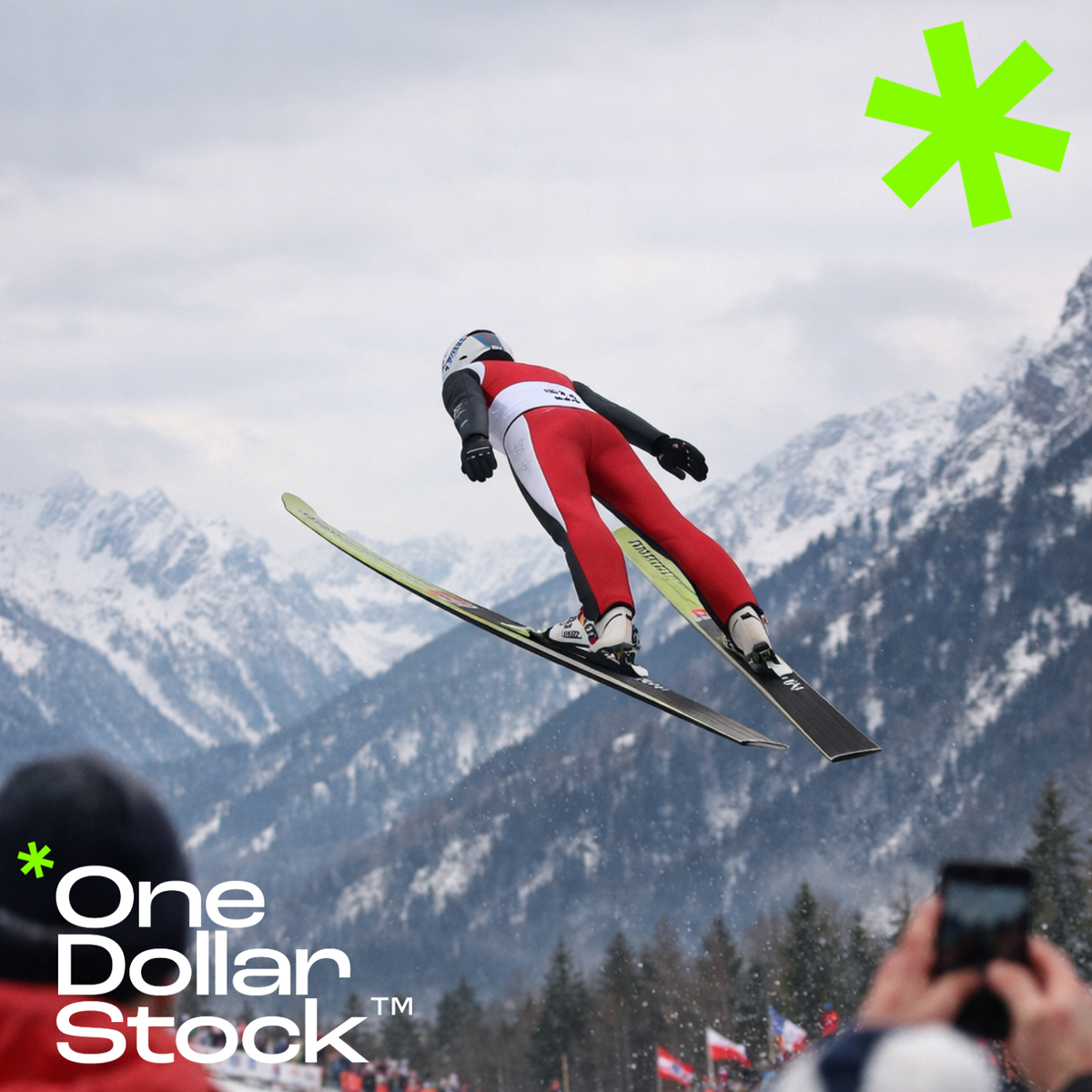
Why We're Obsessed With the Winter Olympics
Every four years, something strange happens. People who have never strapped on a pair of skis suddenly become experts on downhill technique. Office workers who can barely ice skate find themselves screaming at their screens during figure skating routines. We stay up late, rearrange schedules, and feel genuine heartbreak when someone we've never met falls on a halfpipe. The Winter Olympics have a grip on us that's hard to explain rationally. Sure, the Summer Games are popular, but there's something different about winter sports. Maybe it's the extreme environments, the risk, or the sheer visual drama of watching human beings defy physics on frozen surfaces. Whatever it is, the obsession runs deep. The Tribal Pull of National Identity At the heart of Olympic obsession is something deeply psychological: our need to belong to something bigger than ourselves. Social identity theory, developed by psychologist Henri Tajfel in the 1970s, explains how we derive part of our self-concept from the groups we belong to. When we watch the Winter Olympics, we're not just watching athletes. We're watching representatives of our tribe. This isn't nationalism in the aggressive sense. It's connection. When a skier from your country crosses the finish line, your brain doesn't distinguish much between their victory and your own. Mirror neurons fire, dopamine releases, and for a moment, you're part of that triumph. It's the same mechanism that makes us cry at weddings or feel anxious watching someone give a speech. We're wired to emotionally sync with others, especially when they're wearing our colors. What makes the Winter Olympics particularly potent is the infrequency. Four years is long enough to build anticipation but short enough to remember the last time. It creates a rhythm, a cultural heartbeat that we all feel together. And because winter sports aren't as visible between Games, the Olympics become the rare moment when the world pays attention all at once. Why Extreme Winter Environments Captivate Us Winter sports feel more dramatic than their summer counterparts for a reason. Snow and ice are inherently hostile to human survival. We're tropical animals by design, and watching people excel in frozen landscapes taps into something primal. It's the same fascination that draws us to mountaineering documentaries or Arctic exploration stories. The visual language of winter sports amplifies everything. Against a backdrop of white, every movement, every color, every mistake stands out in sharp relief. There's nowhere to hide on a ski slope or a luge track. The starkness of the environment intensifies the human drama unfolding within it. Think about the majesty of a snow-covered mountain range, where athletes push their limits against nature's most unforgiving canvas. View this dramatic winter mountain landscape Mountains carry symbolic weight. They represent challenge, achievement, and the sublime. When we watch someone hurtle down a mountain at 80 miles per hour, we're witnessing more than a sport. We're watching a human being confront something vast and indifferent, and that resonates on a level that goes beyond entertainment. The Psychology of Risk and Admiration Winter sports are dangerous, and we know it. Downhill skiing, ski jumping, bobsled, luge: these aren't activities where a mistake means losing a point. A mistake can mean a broken bone, a concussion, or worse. And yet, or perhaps because of this, we can't look away. There's a concept in psychology called "benign masochism," coined by Paul Rozin, which describes our enjoyment of negative sensations in safe contexts. It's why we like roller coasters, horror movies, and spicy food. Watching winter sports gives us a controlled dose of fear. We feel the tension, the danger, the possibility of disaster, but we're safe on our couches. It's vicarious thrill-seeking at its finest. But there's more to it than adrenaline. When we watch athletes take those risks, we admire them in a deep, almost reverent way. They're doing something we could never do, and that gap between their ability and ours creates a kind of awe. Psychologists call this "elevation," a moral emotion that arises when we witness acts of courage, skill, or virtue. It's the feeling that makes your chest tighten and your eyes water when someone nails a perfect routine after years of training. The Cinematic Power of Winter Sports If you've ever watched Olympic coverage, you've noticed how much of it looks like a movie. The slow-motion replays, the sweeping aerial shots, the close-ups of faces twisted in effort or relief. This isn't accidental. Winter sports are inherently cinematic because they combine human drama with stunning natural backdrops. Slow motion transforms our perception. It allows us to see details we'd miss in real time: the spray of snow from a ski edge, the micro-adjustments a figure skater makes mid-spin, the exact moment a snowboarder realizes they've landed a trick. It turns athletic performance into visual poetry. Even the smallest frozen details carry their own kind of beauty, like the crystalline textures that define winter's visual language. Explore this striking frozen texture The landscape itself plays a starring role. Snow-covered mountains, frozen lakes, and vast white expanses create a minimalist aesthetic that's both beautiful and otherworldly. It's a visual contrast to our everyday environments, which makes it feel special, almost sacred. Combined with the intensity of competition, you get something that feels bigger than sport. The Emotional Amplification of Collective Viewing Part of what makes the Winter Olympics so compelling is that we're not watching alone. Even if you're physically by yourself, you're part of a global audience experiencing the same moments at the same time. Social media amplifies this. You watch a skier wipe out, and within seconds, you're seeing reactions from millions of people. It creates a feedback loop of emotion. Research shows that shared experiences intensify our emotions. When we know others are feeling what we're feeling, it validates and amplifies those feelings. A victory feels sweeter, a loss feels heavier, and the whole event takes on communal significance. It's why watching sports in a bar or at a viewing party is more fun than watching alone. The energy is contagious. The roar of a crowd, the collective gasp, the shared euphoria: these are the moments that define the Olympic experience. Capture the energy of collective celebration The Winter Olympics give us permission to care deeply about something that, in the grand scheme of our daily lives, doesn't directly affect us. But that's exactly the point. It's a break from the mundane, a chance to feel something big and uncomplicated. What Winter Imagery Teaches Us About Emotional Branding If you're paying attention, there's a lesson here for anyone working in visual storytelling, branding, or marketing. The same elements that make the Winter Olympics so captivating (drama, contrast, emotion, risk) are the elements that make visual content powerful in any context. Winter imagery carries emotional weight. A snow-covered landscape isn't just pretty. It evokes isolation, purity, challenge, and beauty all at once. It's why luxury brands use alpine settings, why adventure companies lean into mountain visuals, and why even unrelated industries borrow the aesthetic when they want to convey premium quality or bold ambition. Consider the serene power of a winter river at sunrise, the kind of image that speaks to something universal. Discover this peaceful winter scene The challenge is that high-quality winter imagery is expensive. Traditional stock photo platforms charge premium prices for the kind of dramatic, cinematic visuals that actually move people. If you're a small brand, a content creator, or even a mid-sized company, those costs add up fast. That's where platforms like OneDollarStock make a difference. Instead of inflated licensing fees and subscription models, you get access to curated, high-impact imagery (including stunning winter landscapes, action shots, and textures) at a price point that actually makes sense. It's about making powerful visuals accessible without compromising on quality. Whether you're building a campaign around resilience, adventure, or simply want to evoke that crisp, cinematic feeling that winter brings, the right image can do more than illustrate. It can amplify your message and create an emotional connection with your audience. The quiet grandeur of a frozen mountain lake, for instance, captures both the stillness and strength of winter in a single frame. See this minimalist winter landscape Why Global Sporting Events Feel Bigger Than Sport At the end of the day, the Winter Olympics aren't really about skiing or skating or sliding down an icy track at terrifying speeds. They're about what those things represent: human potential, the pursuit of excellence, the willingness to risk failure in front of the world. They're about the stories we tell ourselves about who we are and what we're capable of. We're obsessed with the Winter Olympics because they give us a shared narrative in a fragmented world. For a few weeks, people across continents, languages, and cultures are watching the same thing, feeling the same things, and rooting for their own versions of triumph. It's a reminder that despite everything that divides us, we still respond to the same fundamental human experiences: courage, beauty, heartbreak, and joy. And maybe that's the real reason we keep coming back every four years. Not for the medals or the records, but for the feeling that, just for a moment, we're all part of something bigger than ourselves. That's the power of sport. That's the power of winter. And that's why we can't look away.

