

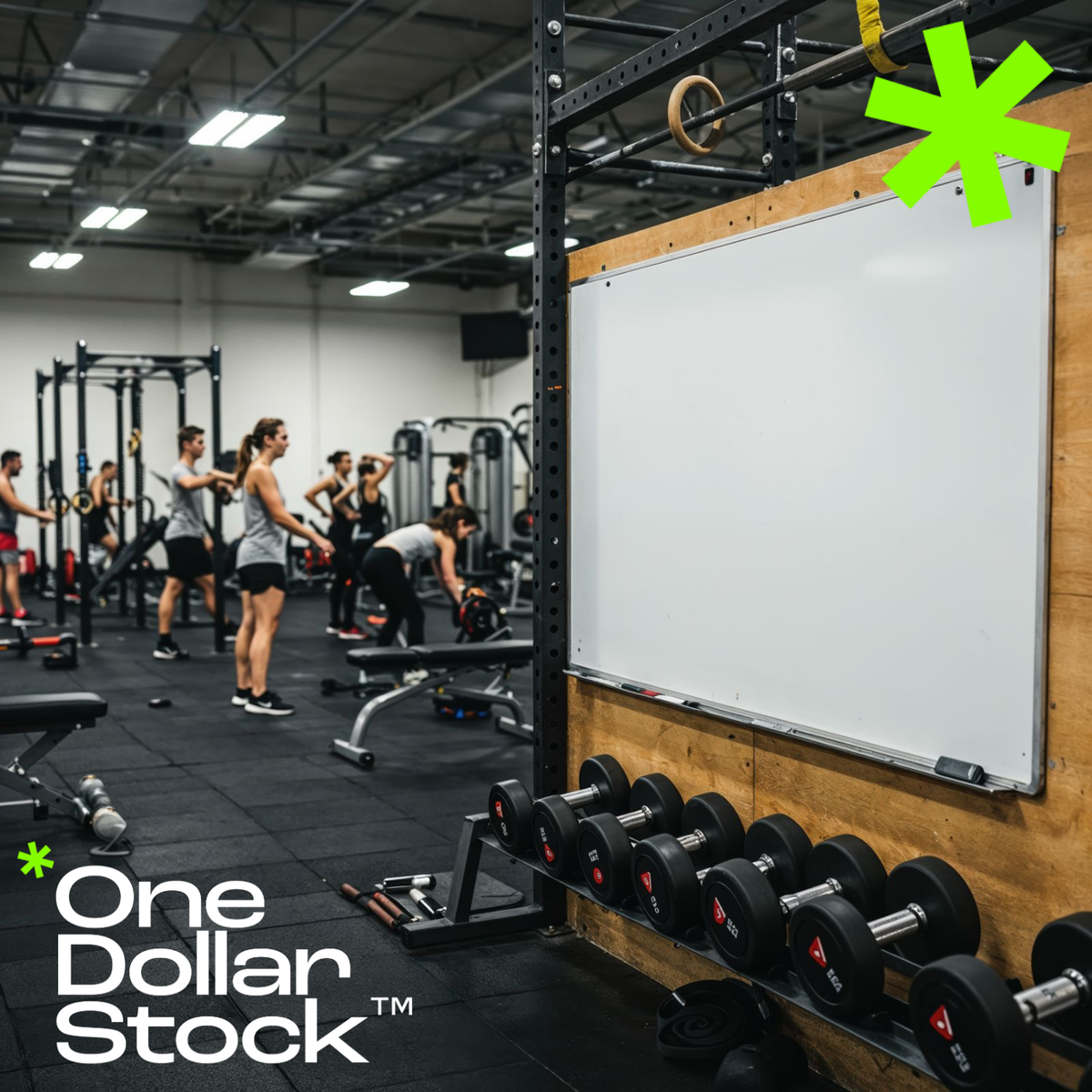
Top Visual Mistakes Small Gyms Make on Social Media (And How to Fix Them)
Top Visual Mistakes Small Gyms Make on Social Media (And How to Fix Them) If your gym's Instagram looks like it was put together in five minutes between classes, you are not alone. Most independent gyms and boutique fitness studios struggle with the same problem: the training is excellent, but the social media presence looks cheap, inconsistent, or completely forgettable. And in a market where potential members scroll past dozens of fitness brands every day, looking generic is the same as being invisible. This article breaks down the most common visual mistakes small gyms make on social media, and shows exactly how better fitness imagery and consistent branding can turn a low-performing profile into one that actually attracts premium members. Mistake 1: Using Low-Quality Gym Photos That Kill Your Brand Credibility Blurry action shots taken on an old phone, harsh fluorescent lighting, cluttered backgrounds with equipment piled in the corner. These are the images that make a gym look like a budget operation even when the actual facility is solid. The problem is not the gym itself. It is the visual representation of it. Premium members, the ones who will pay for personal training packages, annual memberships, and specialty classes, make snap judgments based on what they see online. A dark, grainy photo of someone doing a squat does not communicate quality. It communicates that nobody cared enough to do it right. Investing in professional-grade modern gym interior photography is one of the fastest ways to reposition how your brand is perceived before a single word is read. Mistake 2: Inconsistent Visual Style Across Every Post One post is bright and airy. The next is dark and moody. The one after that uses a completely different font and color palette. This kind of visual inconsistency is one of the most damaging things a small gym can do on social media, because it signals that there is no brand identity behind the business. Consistency is what makes a profile feel like a brand rather than a random collection of posts. That means committing to a color palette, a tone, a style of photography, and sticking to it. Applying a consistent Lightroom preset to every image is one of the simplest ways to achieve this. A set like Strong Color Grading Presets can unify the look of your entire feed in minutes, giving every photo the same punchy, high-contrast finish that reads as intentional and professional. Mistake 3: Only Posting Equipment and Empty Spaces A photo of a barbell rack is not a reason to join a gym. People join gyms because of how they imagine themselves feeling inside them. The most effective fitness social media content puts people at the center: real training moments, raw effort, and the kind of energy that makes someone think they want to feel that way too. Small gyms often default to equipment shots because they feel safe and easy. But they rarely convert. What converts is showing the experience in motion. An athlete pushing hard through a sprint, a member mid-rep with full focus, a coach cueing someone through a tough set. That is the content that stops the scroll. Mistake 4: Ignoring the Visual Language of Your Target Member A gym targeting 35-to-50-year-old professionals who want structured strength training should not be posting the same kind of content as a CrossFit box targeting competitive athletes in their twenties. The visual language, the color palette, the type of movement shown, the mood of the photography, all of it needs to match the lifestyle and aspirations of the specific person you are trying to reach. A boutique studio that offers yoga, pilates, or mindful movement needs imagery that feels calm, intentional, and premium, not aggressive or high-intensity. Generic fitness imagery that could belong to any gym in any city does not speak to anyone in particular. Niche-specific visuals create an immediate sense of recognition. When the right person sees your content and thinks that looks like me, you have done your job. Mistake 5: Promotional Posts That Look Like Flyers from 2009 Membership offers, class schedules, and seasonal promotions are necessary content for any gym. But the way most small gyms design these posts is a problem. Bright yellow backgrounds, clip art icons, five different fonts, and a wall of text crammed into a square image. These posts look like they were made in a word processor and they perform accordingly. Promotional content for a fitness brand should feel as premium as the brand itself. Clean layouts, strong typography, high-quality background imagery, and a consistent color system make the difference between a post that gets ignored and one that gets saved and shared. The visual energy of a focused athlete cycling intensely on a bright orange bike used as a background immediately raises the perceived value of whatever offer you are running. Mistake 6: Never Showing the People Behind the Gym Independent gyms have one major advantage over big-box chains: personality. The coaches, the community, the culture. But most small gyms never show any of it on social media. Every post is a workout tip or a stock-looking image with no human connection. Showing real people, whether that is your coaching staff, your members with their permission, or behind-the-scenes moments from class, builds the kind of trust that no promotional post can manufacture. Pair that authentic content with polished supporting visuals from a professional fitness image library and you get the best of both worlds: real and refined. How to Fix Your Gym's Social Media Visuals Without a Big Budget The good news is that fixing these mistakes does not require hiring a full-time photographer or a creative agency. It requires three things: a consistent visual style, a library of high-quality fitness images you can actually use, and a basic understanding of what your target member responds to. A well-curated stock library built specifically for fitness and wellness content gives you the raw material to post consistently, look professional, and stay on brand without scrambling for content every week. Pair that with a set of Lightroom presets to keep your color grading consistent, and you have a repeatable visual system that scales with your gym as it grows. The gyms that win on social media are not always the ones with the best equipment or the most square footage. They are the ones that look like they belong in the premium tier, even before a potential member walks through the door. Build a Gym Brand That Looks as Good as Your Training Social media is the first impression most potential members will ever have of your gym. If that impression is inconsistent, low-quality, or visually forgettable, you are losing members before they ever contact you. The fix is not complicated, but it does require intention. Start by auditing your last 30 posts. Count how many use consistent colors, how many feature people in action, and how many look like they belong to the same brand. Then close the gaps with better source material, a defined visual style, and fitness photography that actually reflects the quality of what you offer. Your social media should be the best advertisement your gym has. Right now, for most small gyms, it is the biggest missed opportunity.

Your Brand Looks Cheap (And You Don't Even Know It)
A breakdown of the subtle visual mistakes that silently destroy perceived value - and how upgrading your creative assets instantly changes pricing power.

10 inspiring examples of using stock images
Stock images are more than just filler visuals - they can transform your designs, marketing, and storytelling when used creatively. In this article, we’ll share 10 inspiring examples of how brands, creators, and designers are using premium stock images to elevate their work. Why stock images matter High-quality stock images help you: Build emotional connections Enhance visual storytelling Support brand positioning Save time and resources on content creation Maintain a professional and polished look 10 inspiring ways to use stock images 1. Hero banners on landing pages Use bold, eye-catching stock images to create impactful landing page hero banners. Choose visuals that match your product or brand values to drive conversions. 2. Backgrounds for reels and stories Creators often use ai stock images or curated stock images as dynamic backgrounds for short-form video content - adding mood and style. 3. Podcast cover art Podcasters use premium stock images to design standout cover art that attracts listeners and conveys their show’s vibe. 4. E-book covers and layouts Authors and marketers enhance e-books with carefully selected stock images - from polished covers to mood-setting chapter visuals. 5. Brand storytelling on social media Brands use people stock images to create relatable, human-centric social media content that resonates emotionally with their audience. 6. Visual accents in explainer videos Incorporate stock images into explainer videos to illustrate concepts and maintain viewer engagement. Add humor and personality with thematic images like memes or food and drinks. 7. Moodboards for client presentations Designers build compelling moodboards using curated stock images - helping clients visualize aesthetic directions for projects. 8. Email marketing visuals Enhance newsletters and email campaigns with thematic stock images that support your messaging and grab attention in crowded inboxes. 9. YouTube thumbnails Boost YouTube video click-through rates with professional, on-brand thumbnails created using premium stock images combined with custom text and graphics. 10. Branded merch designs Merchants and creators leverage stock images (with appropriate licenses) to design products such as posters, apparel, and mugs - adding visual impact and storytelling elements to merch. Inspire your next project These examples show just how versatile and powerful stock images can be when used thoughtfully. Whether you’re a designer, creator, or marketer, premium stock images from One Dollar Stock™ can help you bring your ideas to life.

How freelancers can create more value for clients
As a freelancer, your ability to deliver value is what sets you apart and helps you build long-term client relationships. One simple way to elevate your services? Using premium stock images from One Dollar Stock™ to enhance every project. In this article, we’ll show how freelancers can leverage stock images to create more value and more revenue. Why stock images matter for freelancers Whether you’re a designer, marketer, developer, or content creator, visuals are core to what you deliver. Clients expect polished, professional work and strong visuals help you: Deliver more complete, visually compelling projects Save time vs. creating or sourcing all visuals from scratch Increase perceived value of your services Differentiate yourself from lower-cost competitors Use cases for freelancers 1. Website design and development Web designers can source premium stock images for: Hero images and banners Background textures and patterns Supporting visuals for feature sections CTA sections and visual accents Modern, curated visuals from One Dollar Stock™ help websites feel fresh and polished, which clients love. 2. Social media content creation Freelance social media managers can save massive time and deliver higher-impact content using: People stock images for community and lifestyle brands Abstract stock images for backgrounds and quote graphics AI visuals for modern, tech-forward brands 3. Branding and visual identity Brand strategists and designers can incorporate curated stock images into: Brand style guides Moodboards and visual concepts Client presentations and proposals High-quality imagery helps clients visualize their brand vision and boosts your authority as a freelancer. 4. Content marketing and lead magnets Freelance content creators can use premium stock images to enhance: E-books and white papers Blog articles and landing pages Infographics and presentations How stock images help you earn more By using premium stock images: You can charge higher fees for higher-value deliverables You can streamline your workflow saving time and increasing profitability You can offer new add-on services (social media graphics, e-book design, etc.) You can create better client outcomes leading to more referrals and repeat business Why freelancers choose One Dollar Stock™ Freelancers love One Dollar Stock™ because: Our premium stock images start from just $1 perfect for small project budgets Clear licensing ensures safe use in client work We offer AI images, abstract visuals, people photography, and more No subscription required, buy only what you need Unlock more value in every project Freelancers who use great stock images stand out. With premium stock images from One Dollar Stock™, you can elevate your creative output, delight your clients, and grow your freelance business - all while keeping costs low.

How to avoid visual mistakes when using stock images
Stock images can make your content shine or sink it. When used well, they enhance your message, build trust, and elevate your brand. But common visual mistakes can result in bland, confusing, or even unprofessional-looking content. In this article, we’ll show you how to avoid key mistakes and get the most from your premium stock images from One Dollar Stock™. 1. Using cliché or overused images Nothing kills a brand’s credibility faster than tired, overused stock images, think handshake photos, generic office shots, or staged smiles. Instead: Use curated stock images with fresh, authentic visuals Choose images with natural lighting and genuine emotion Explore AI-generated visuals for unique, modern aesthetics 2. Poor visual consistency Mixing unrelated styles like combining corporate stock with casual lifestyle images can confuse your audience and weaken your brand. To avoid this: Establish a visual style guide Source all images from the same platform, like One Dollar Stock™, to maintain consistency Use abstract images and people stock images with matching tone and color grading 3. Using low-resolution or unoptimized images Pixelated or slow-loading images hurt user experience, especially on mobile. Best practices: Always download high-resolution premium stock images Use appropriate compression tools (TinyPNG, Squoosh) to optimize images for web Test loading speeds across devices 4. Poor image placement Don’t just drop an image anywhere, placement matters. Common errors include: Distracting images near CTAs Images that compete with text Background images that make text unreadable To avoid this: Use images to support your message, not overshadow it Maintain clear visual hierarchy Test readability and visual flow 5. Forgetting to match audience expectations Using images that feel “off” for your target audience can erode trust. For example: Corporate site using quirky meme visuals Wellness brand using cold, techy images Youth-oriented product using stiff, corporate visuals Know your audience and select visuals accordingly. One Dollar Stock™ offers: People stock images across diverse demographics Abstract visuals for modern brands AI visuals for future-forward content Use stock images like a pro Stock images should enhance your content not detract from it. By avoiding these common mistakes and sourcing high-quality visuals from One Dollar Stock™, you’ll create more engaging, trustworthy, and effective content and stand out in every channel.

The future of stock images - AI trends and what’s next
The stock image industry is changing faster than ever - driven largely by artificial intelligence (AI). For creators, designers, and marketers, understanding these trends can unlock new creative opportunities and competitive advantages. In this article, we’ll explore where stock images are headed, how AI stock images are shaping the future, and what you can expect next from platforms like One Dollar Stock™. How AI is disrupting stock images AI is transforming stock photography in several key ways: Enabling the creation of unique, hyper-specific visuals on demand Lowering the cost of content production Expanding creative possibilities beyond traditional photography Increasing speed from concept to execution At One Dollar Stock™, we see demand for AI stock images growing exponentially as creators embrace the possibilities. Current AI stock image trends 1. Conceptual and abstract visuals Abstract stock images and conceptual AI visuals are in high demand - especially for: Technology brands Finance and fintech companies Content marketing for innovation-driven sectors 2. Hyper-realistic AI photography Advancements in AI are producing photo-realistic images that rival traditional stock photography - opening up new creative avenues for: Web design Social media content Advertising 3. Diverse and inclusive visuals AI allows creators to generate more diverse and inclusive imagery that better reflects global audiences - a growing priority across industries. 4. Custom visual styles Brands are using AI to develop custom visual styles that differentiate them in the market - blending stock images with AI-generated content for unique brand aesthetics. What’s next - the future of stock images Looking ahead, we expect: Deeper integration of AI into content creation workflows More personalized, on-brand stock image generation Growth of AI-enhanced curated libraries like One Dollar Stock™ Continued emphasis on licensing clarity as AI raises new legal questions Our mission is to help creators harness these trends safely and creatively - with clear licenses and a growing collection of AI stock images and premium stock photos. How to stay ahead of the curve Embrace AI tools to supplement, not replace your creative vision Source images from trusted platforms with vetted, high-quality content Stay informed about evolving licensing and usage best practices Experiment with AI visuals in low-risk channels (social media, content marketing) to explore their potential Your future visual toolkit AI is changing stock imagery forever - and the opportunities for creators have never been greater. With AI stock images and premium stock photos from One Dollar Stock™, you can stay at the forefront of visual trends and build content that connects, inspires, and converts.

